Timeline
The works in history: each book of the catalogue in its time, with the events that help to read it.
Homer’s Greece
12th to 8th century BC
-
c. 1180 BC
The fall of Troy
A city in Asia Minor is destroyed by fire, and the Greeks remember it as the Trojan War. The Iliad tells only a few weeks of it; the Odyssey, the return home of one of its heroes.
-
c. 1100 BC
The Mycenaean world collapses
The Greek palaces disappear and writing is lost; for centuries the heroic tales live only in the mouths of the bards. That is why the poems mix bronze-age weapons with the customs of a much later time.
-
8th century BC
The Greeks adopt the alphabet
Borrowed from the Phoenicians, it finally allows the long poems carried by memory to be written down. The bards can still be heard in them: the stock epithets and repeated lines were made to be remembered.
-
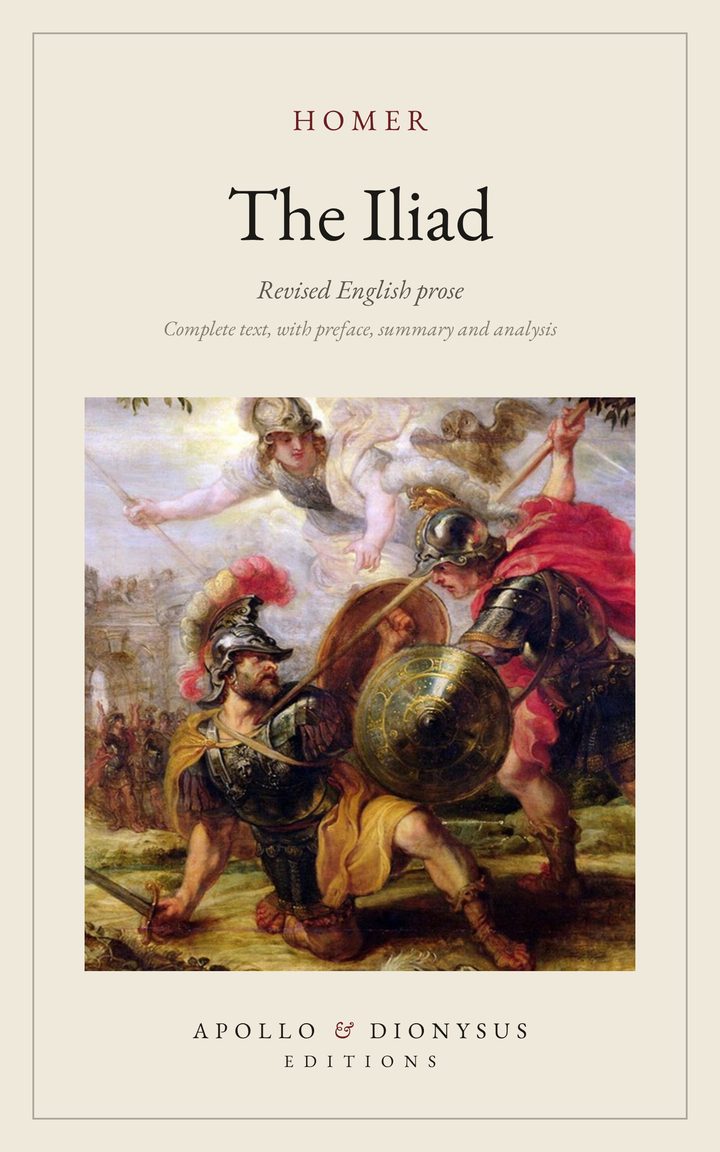
c. 750 BC
The Iliad
A few weeks in the tenth year of the war at Troy, and the anger of one man.
-
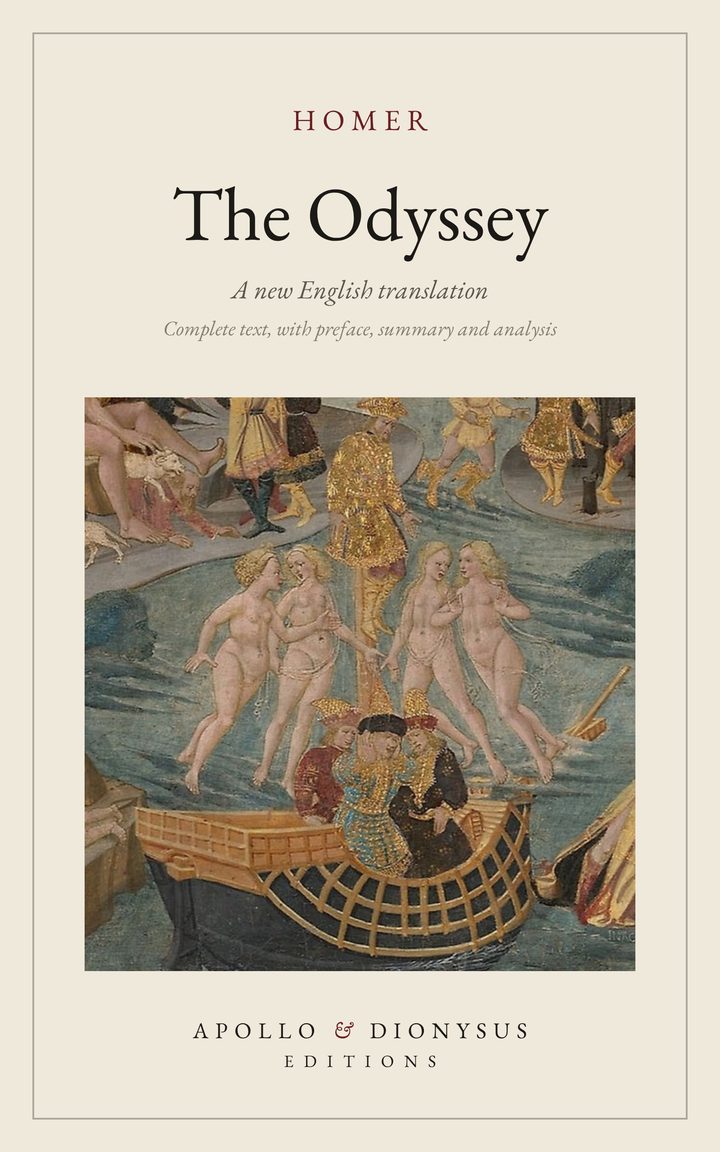
c. 725 BC
The Odyssey
Ten years to come home, and no certainty of being recognised.
- Some 200 years later
China of the Warring States
6th to 5th century BC
-
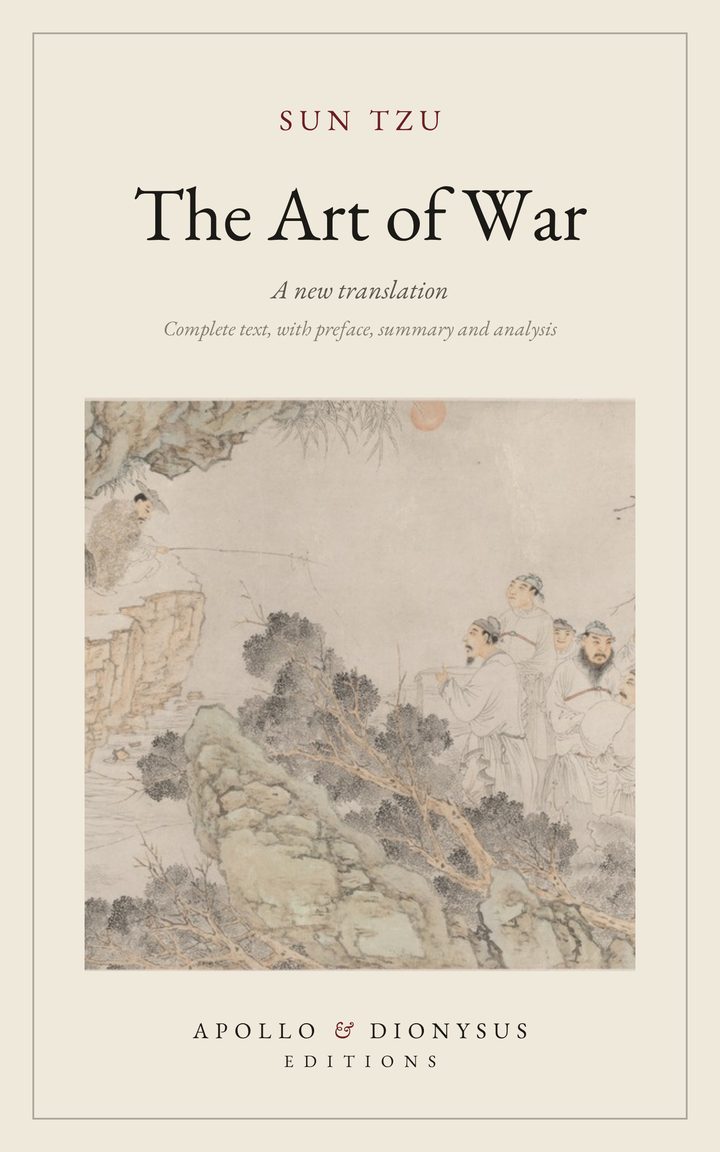
c. 500 BC
The Art of War
Can a war be won without a battle?
-
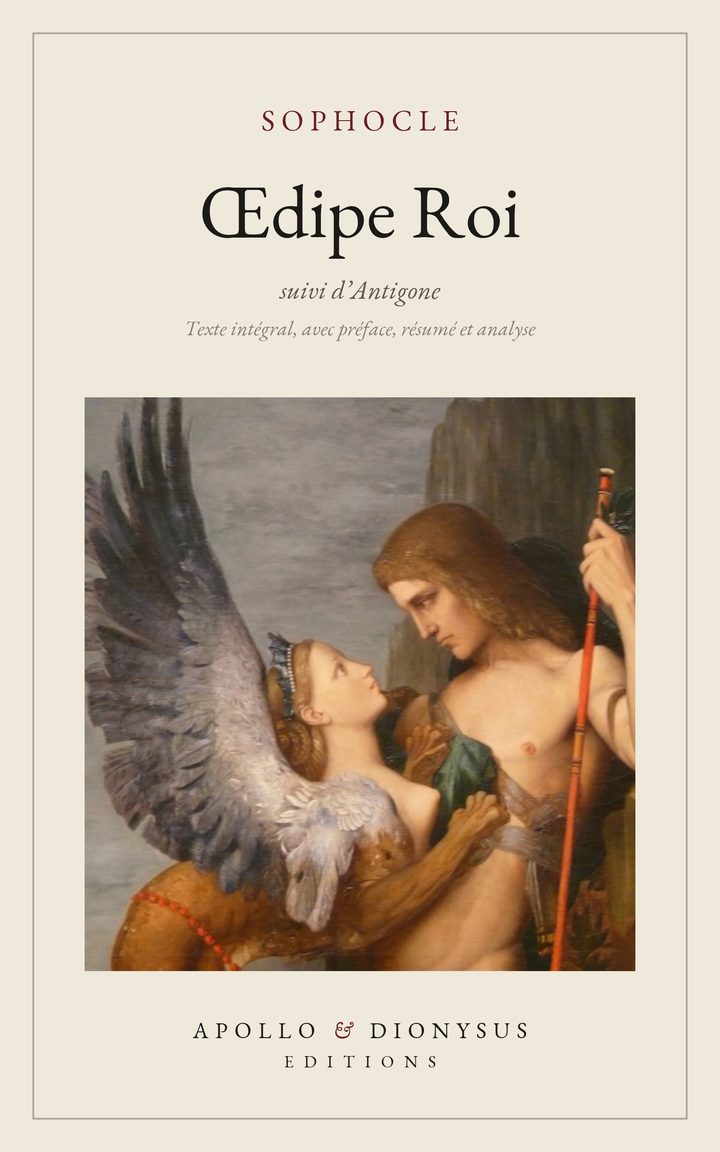
c. 441 and c. 429 BC
Oedipus the King, followed by Antigone
Can we escape what the gods have decided?
- Some 100 years later
Plato’s Athens
4th century BC
-
c. 385 BC
The Symposium
What do we love when we love?
-
c. 375 BC
The Republic
What is justice, and is it better to be just or merely to seem so?
- Some 300 years later
The end of the Roman Republic
2nd to 1st century BC
-
c. 51 BC
On the Republic
What is the best way to govern a city?
- Some 200 years later
The Roman Empire
2nd century AD
-
161
Marcus Aurelius becomes emperor
A Stoic since his youth, he inherits an empire at its height. His whole philosophy becomes an exercise in not letting absolute power corrupt him.
-
165 – 180
The Antonine Plague
Brought back from the East by the legions, an epidemic ravages the Empire. The Meditations return again and again to death and the brevity of life.
-
166 – 180
War on the Danube
Against the Marcomanni and the Quadi, the emperor spends his last years on the frontier. It is there, in camp, that he writes for himself.
-
c. AD 170–180
Meditations
Notes an emperor wrote to himself, never meant to be read.
-
180
Death of Marcus Aurelius
He dies on campaign. With him ends what Gibbon would call the happiest period in the history of the world; his notes, written for himself alone, outlive him.
- Some 200 years later
Late Antiquity
4th to 5th century
-
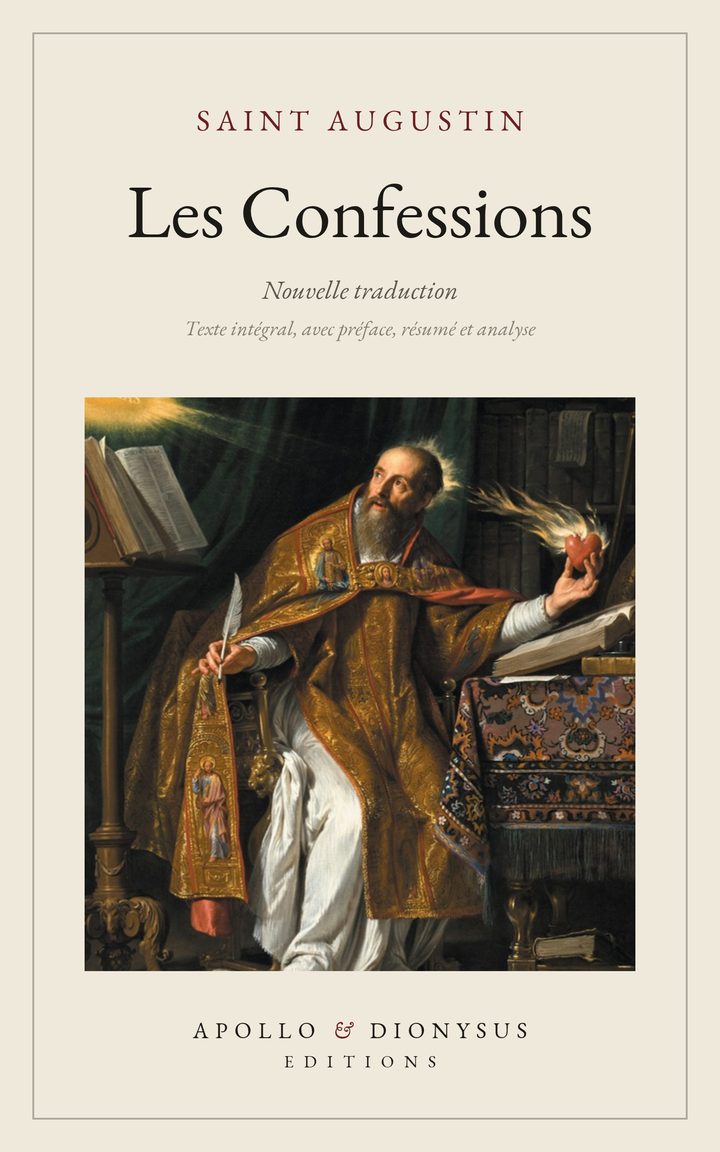
c. 400
Confessions
What is a man looking for when he finds rest nowhere?
- Some 900 years later
Dante’s Italy
13th to 14th century
-
1302
Dante exiled from Florence
Caught in the struggle between factions, he is sentenced in his absence and never sees his city again. In exile he writes the Inferno, where he places many Florentines of his time among the damned.
-
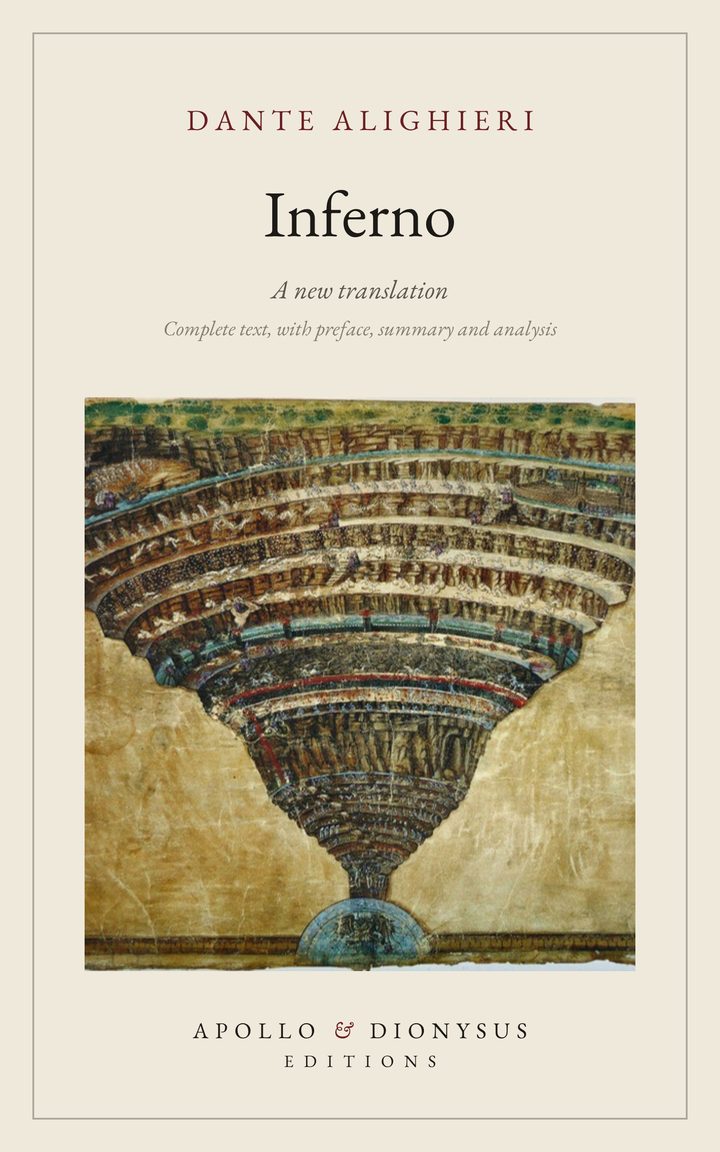
c. 1314
The Divine Comedy: Inferno
How is a life to be judged?
- Some 200 years later
Machiavelli’s Italy
15th to 16th century
-
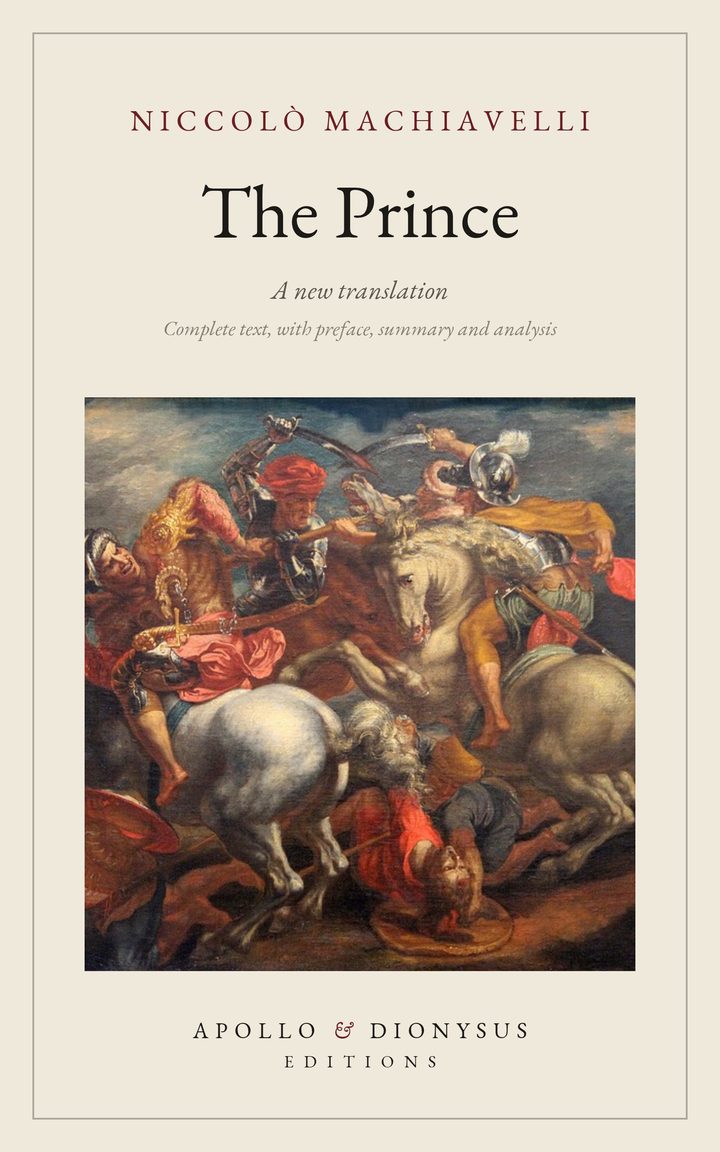
1532 (written in 1513)
The Prince
Must one, in order to govern, learn how not to be good?
- Some 100 years later
The classical age
17th century
-
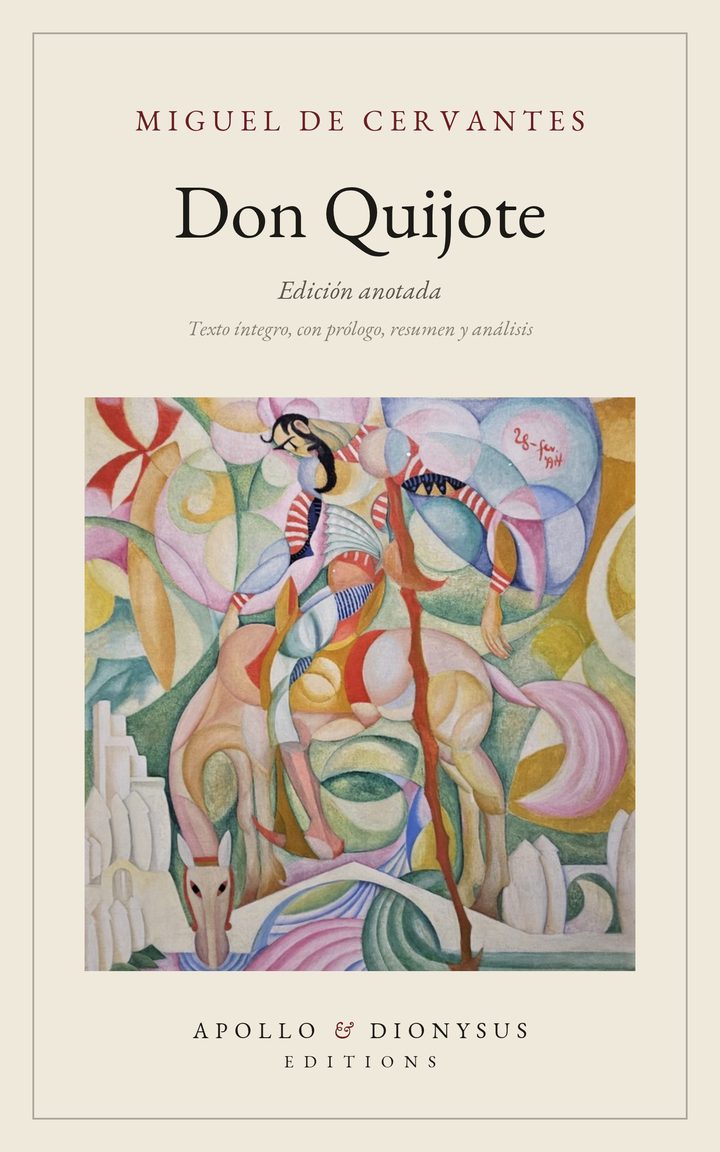
1605–1615
Don Quixote
Where does madness end and loyalty to an ideal begin?
-
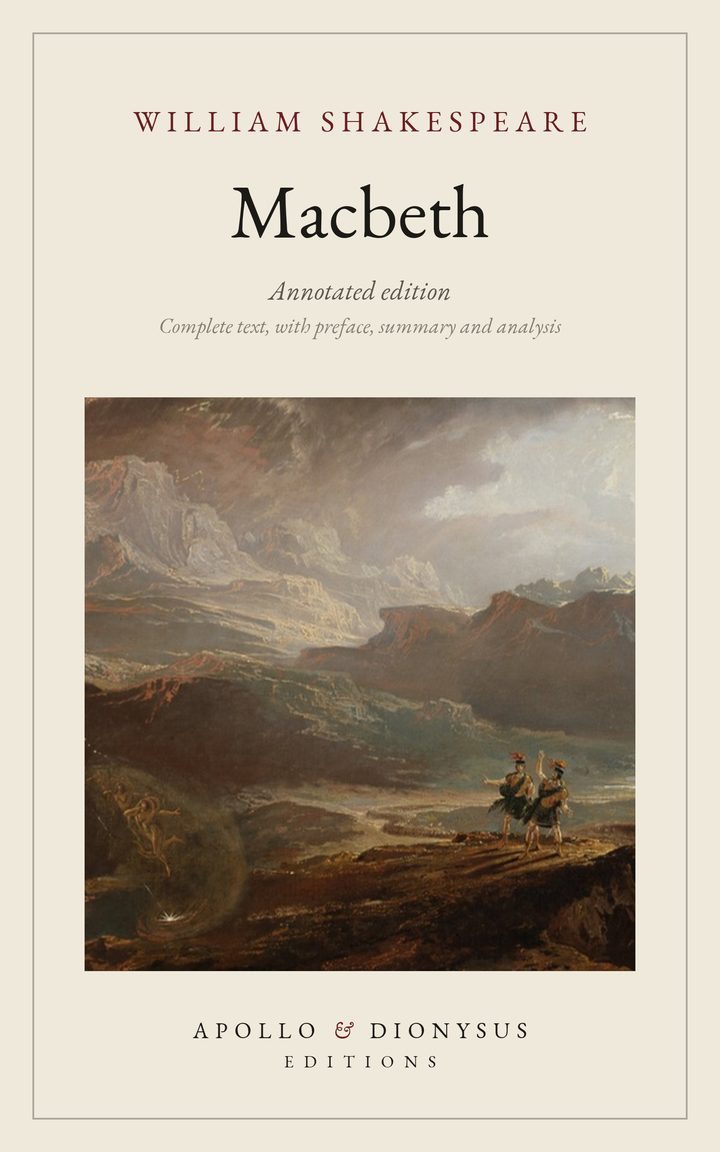
c. 1606
Macbeth
What happens to a man who is told what he may become?
-
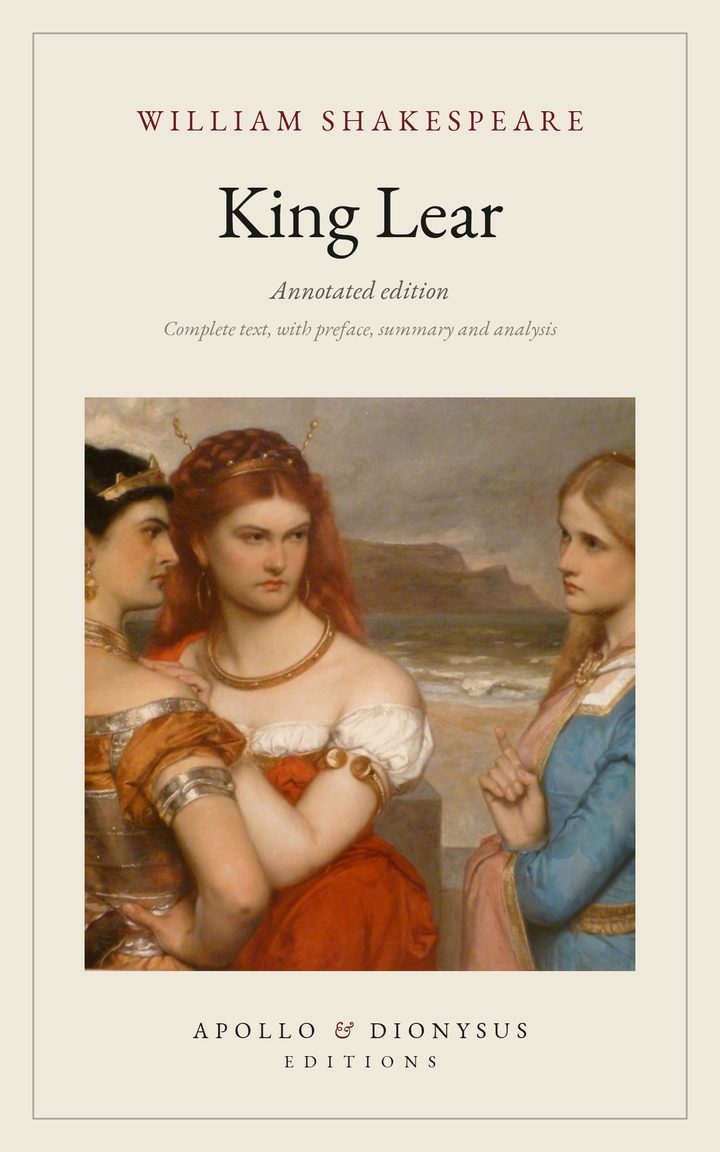
1606
King Lear
What is love worth when it must be proved in words?
-
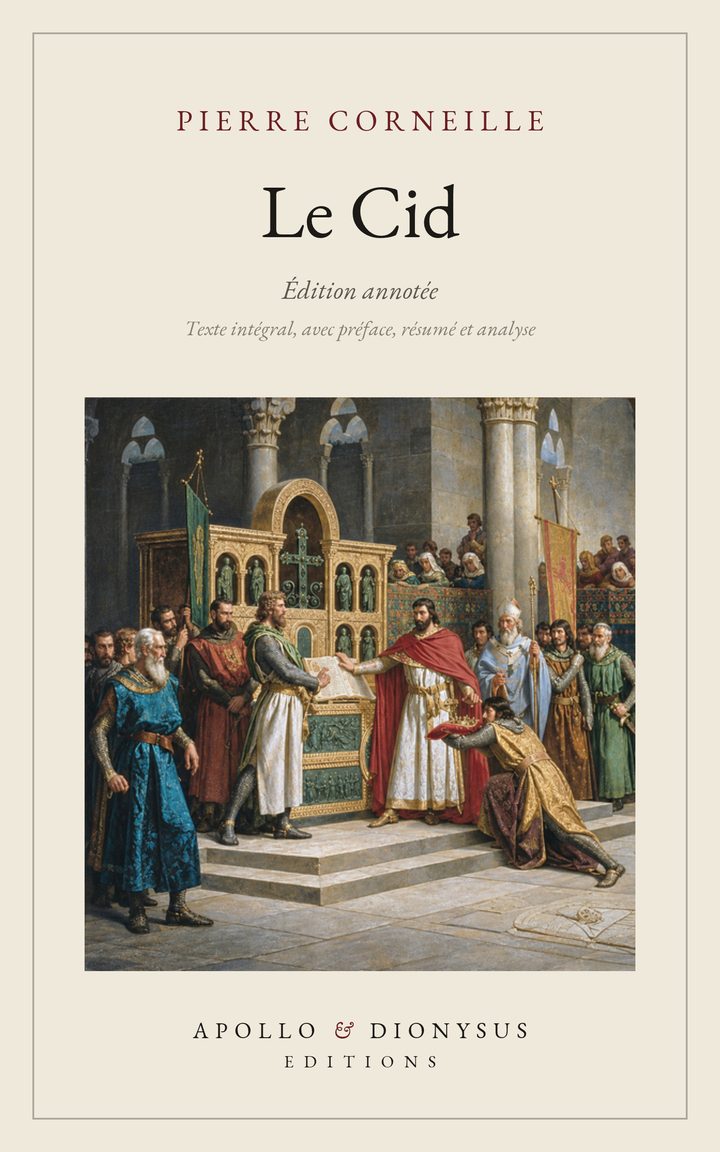
1637
The Cid
Must one choose between love and honor?
-
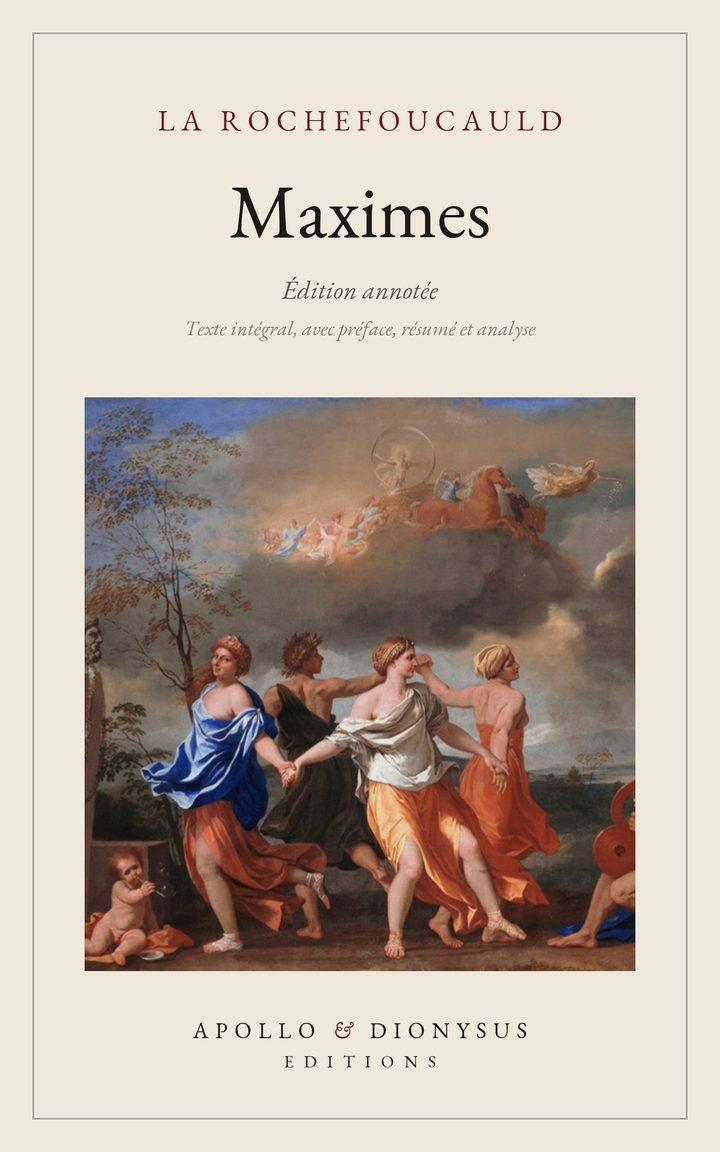
1665
Maxims
Are our finest virtues nothing but well-dressed vanities?
-
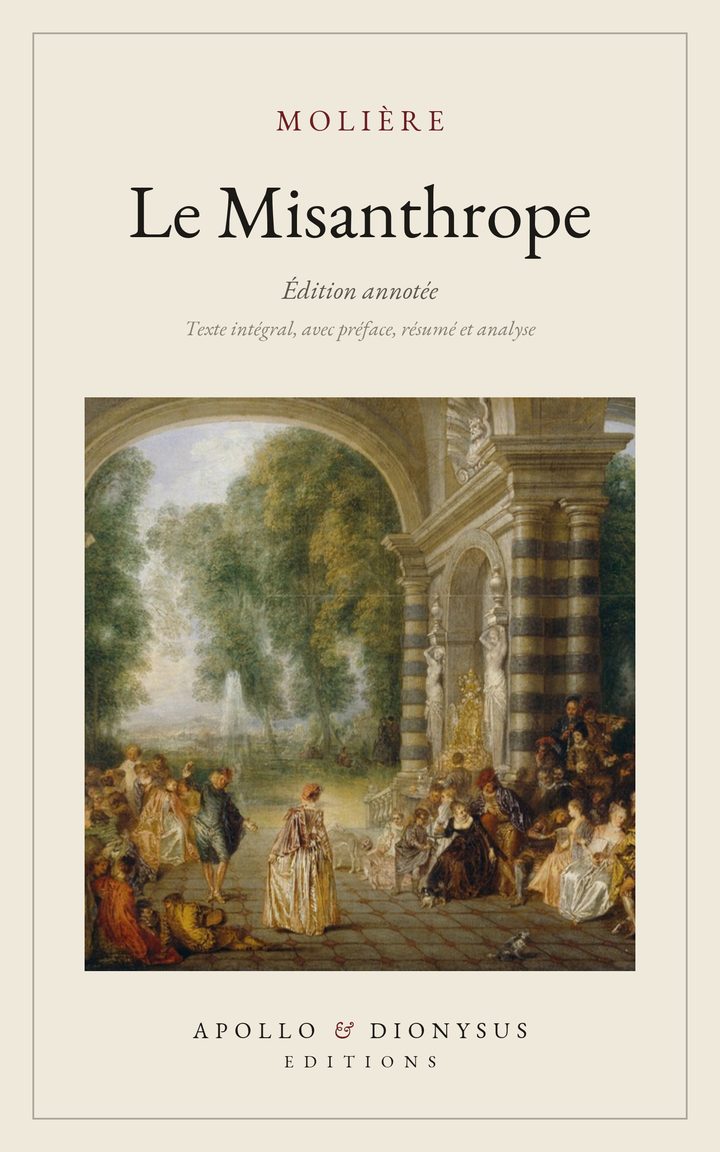
1666
The Misanthrope
Can one live among others without ever lying to them?
-
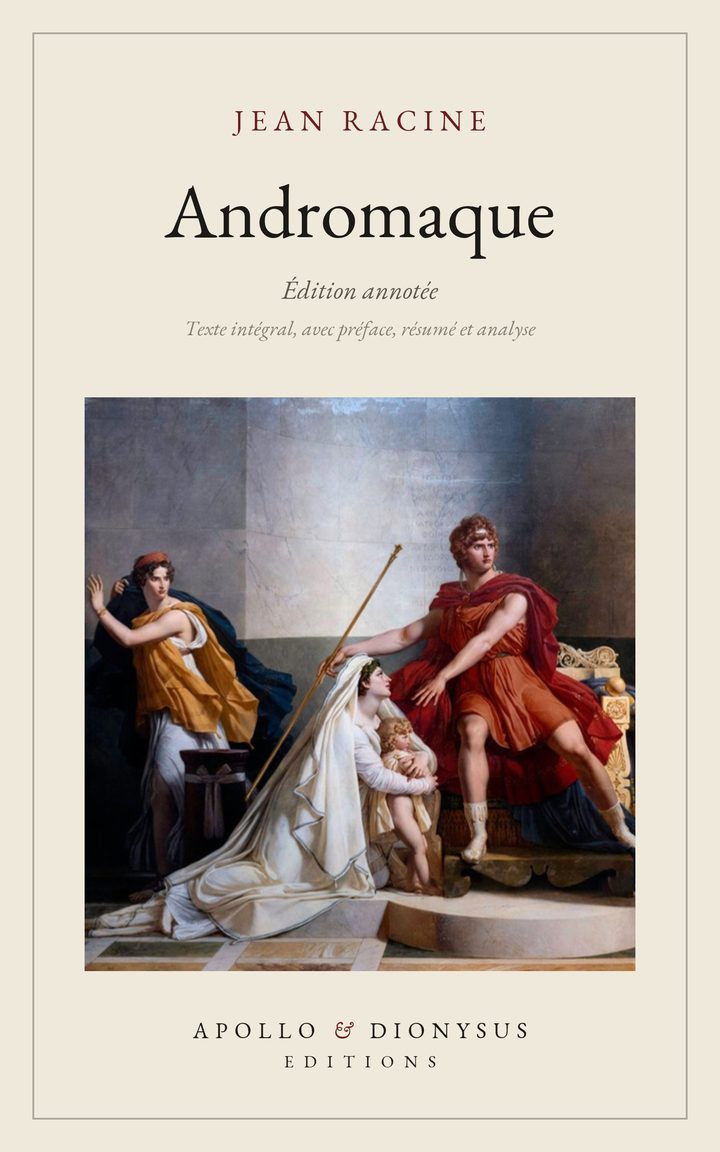
1667
Andromache
How far can we love someone who loves another?
-
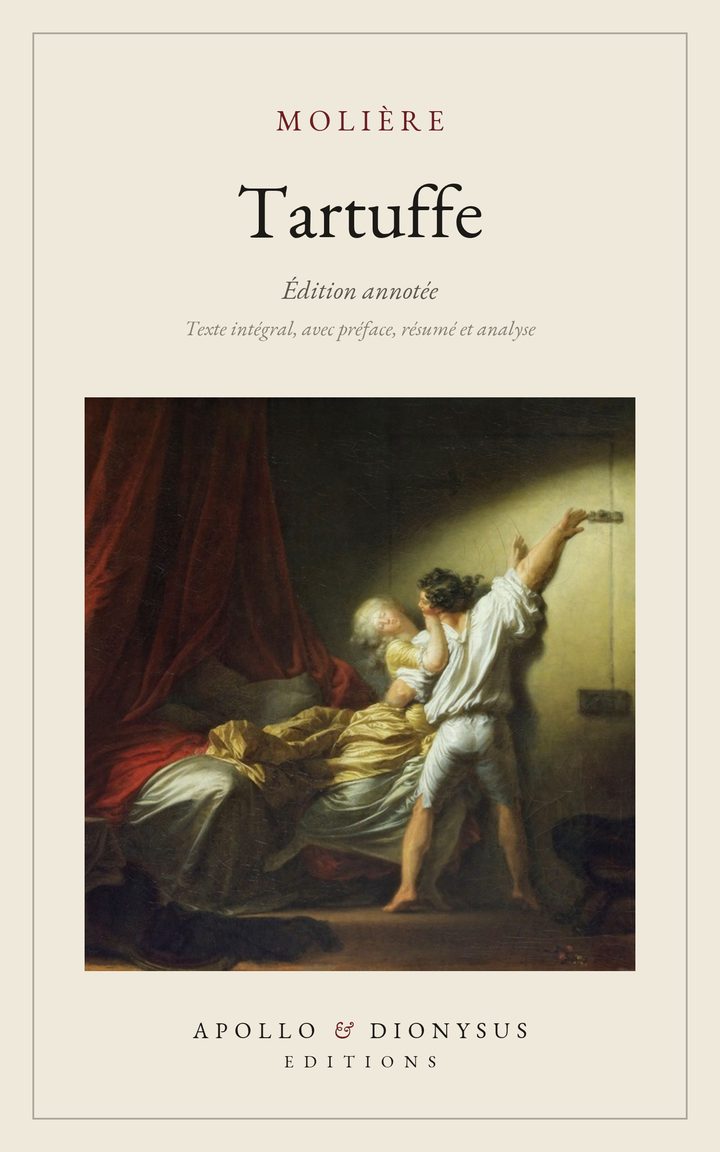
1669
Tartuffe
How can we recognize virtue when it disguises itself so well?
-
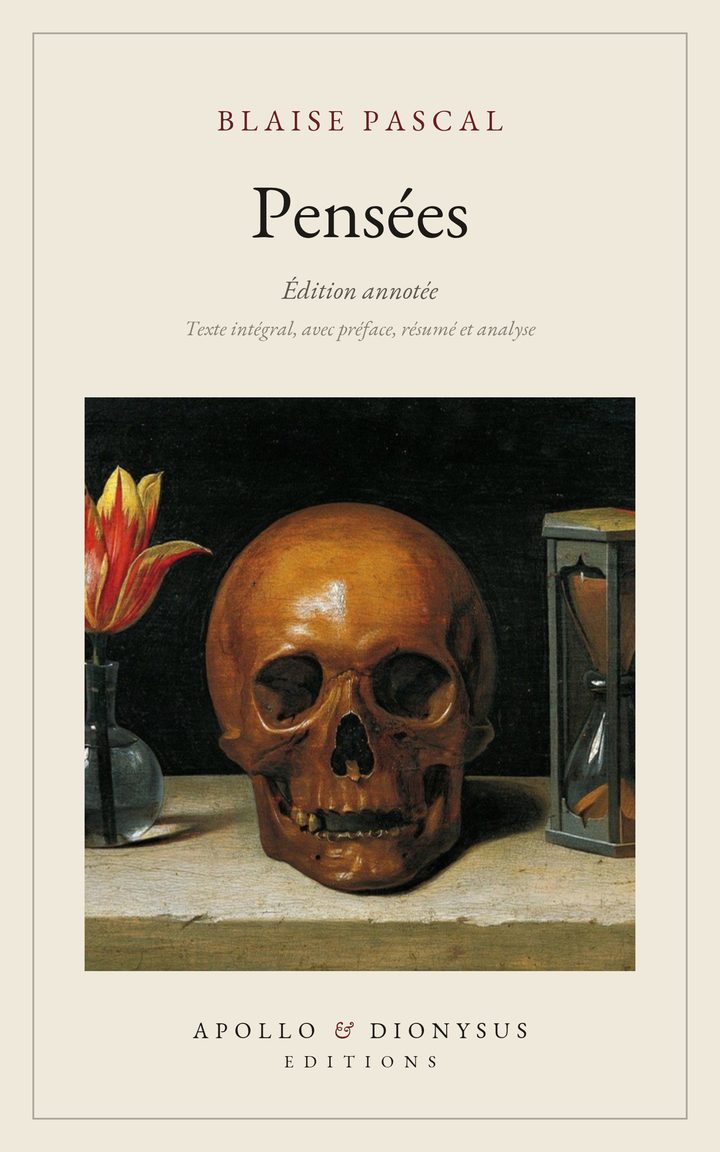
1670
Pensées
What does man make of his misery, and what does he make of his greatness?
-
1677
Ethics
What does it mean to be free, when everything in nature obeys causes?
-
1677
Phaedra
Are we guilty of a passion we did not choose?
-
1678
The Princess of Clèves
Can one resist a passion one knows to be returned?
- Some 100 years later
The Enlightenment
18th century
-
1748
Zadig
Does happiness depend on wisdom or on chance?
-
1759
Candide
Is everything truly for the best in the best of all possible worlds?
-
1776
The Wealth of Nations
Where does the wealth of a nation really come from: from the gold in its coffers, or from the work of its people?
- Some 0 years later
The long nineteenth century
1789 – 1914
-
1789
The French Revolution
The fall of the old order shakes all of Europe. The century that opens, until 1914, will live with its aftershocks.
-
1793 – 1815
Britain at war with France
More than twenty years of almost unbroken war. In Jane Austen it stays in the background, yet it is everywhere: in the uniforms, the fortunes, the marriages.
-
c. 1794
Lady Susan
What can charm achieve when it answers to no conscience?
-
1811
The Regency begins
George III, judged mad, is replaced by his son. The Regency gives its name to Jane Austen’s age: a society in which a woman without a dowry depends on marriage, the very stake of Sense and Sensibility.
-
1811
Sense and Sensibility
Two sisters, one ruled by her head and one by her heart, and the price of each.
-
1813
Pride and Prejudice
Can we ever truly know another person at first sight?
-
1818
Frankenstein
What do we owe to what we create?
-
1822
On Love
Do we love a person, or the image our imagination has made of them?
-
1825
The Decembrist revolt
Noble officers rise in St Petersburg for a constitution. The repression opens thirty years of police rule: a capital of clerks where one dreams for want of being able to act, like the hero of White Nights.
-
1835–1840
Democracy in America
Does equality threaten the freedom it seems to promise?
-
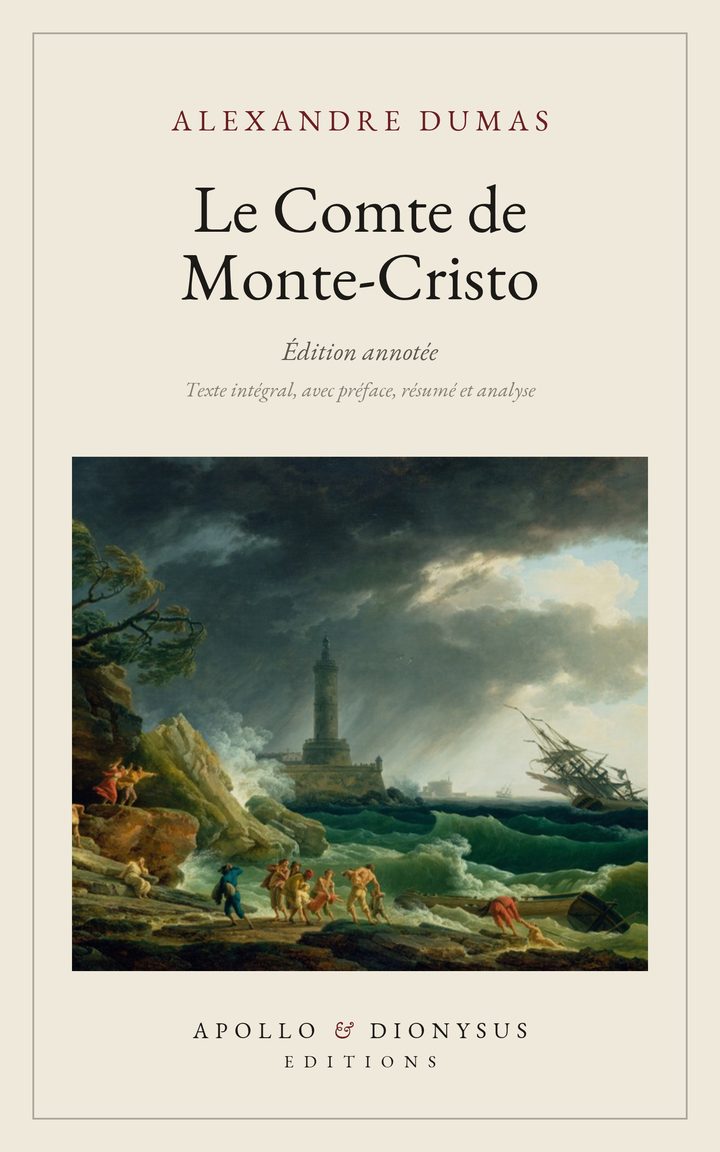
1844–1846
The Count of Monte Cristo
What is left of justice when men betray it?
-
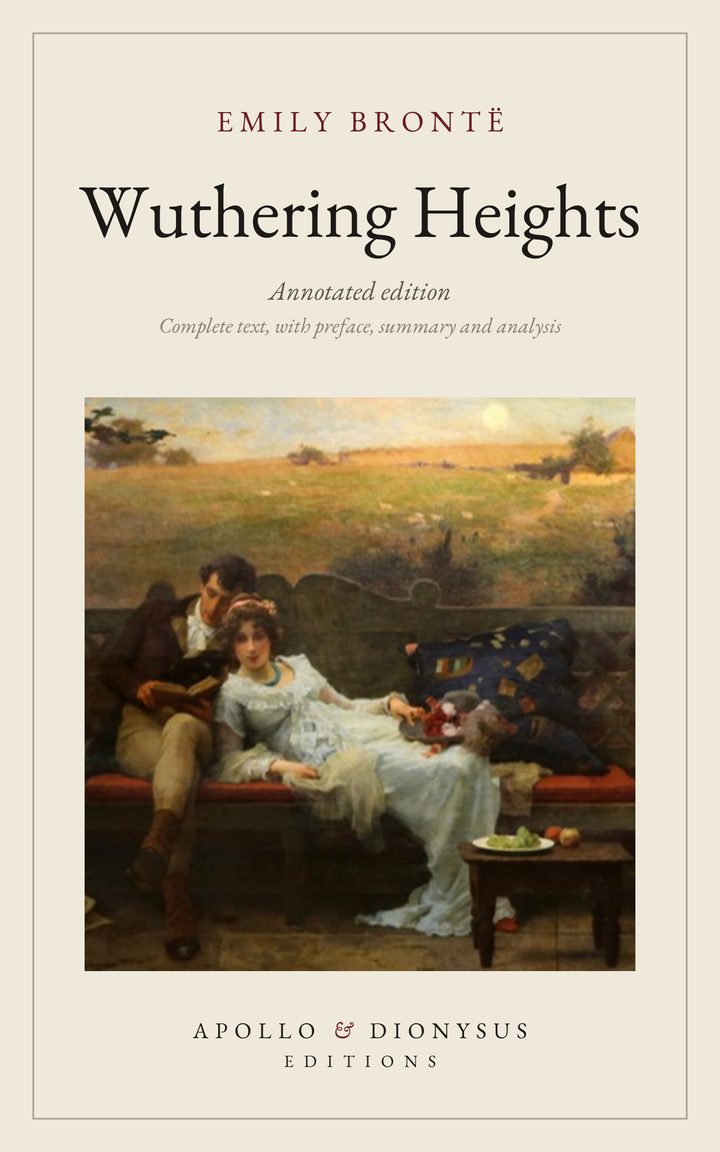
1847
Wuthering Heights
Can a love survive the wish for revenge?
-
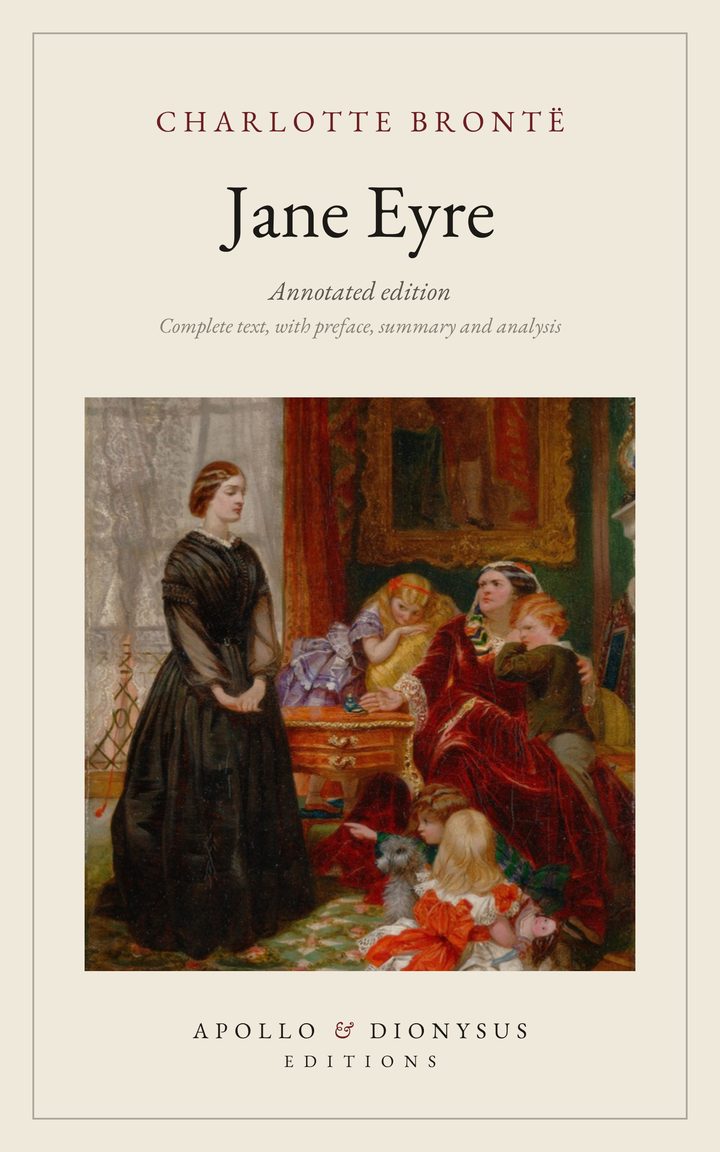
1847
Jane Eyre
Can a woman without fortune or family keep her freedom and her dignity when love asks her to give them up?
-
1848
The Springtime of Nations
Paris, Vienna, Berlin, Budapest: Europe rises. In Russia the regime watches the circles of young men who read the French socialists; Dostoevsky belongs to one of them. White Nights appears that year, a few months before his arrest.
-
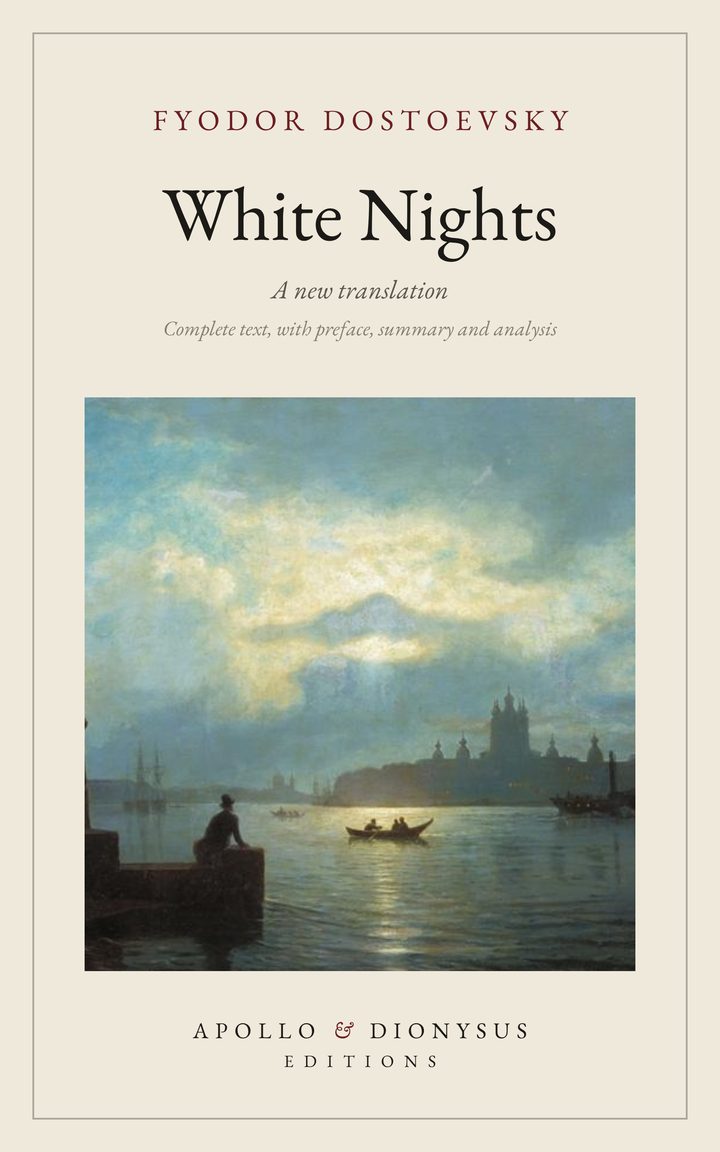
1848
White Nights
Four nights in St Petersburg, and a dreamer who meets someone real.
-
1849
Dostoevsky before the firing squad
Sentenced to death for reading a banned letter aloud, he is pardoned at the last moment, then sent to a Siberian prison camp for four years. He comes back changed, haunted by suffering and redemption: Crime and Punishment ends in a prison camp.
-
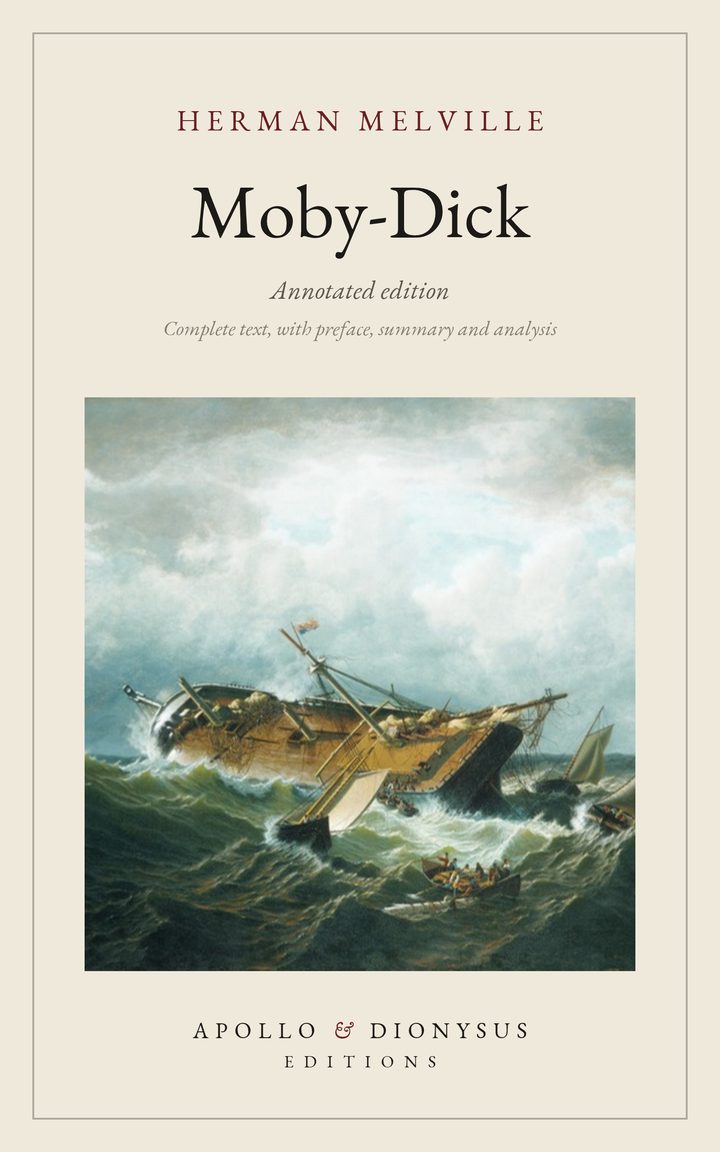
1851
Moby-Dick
How far will a man go to strike back at what has wounded him?
-
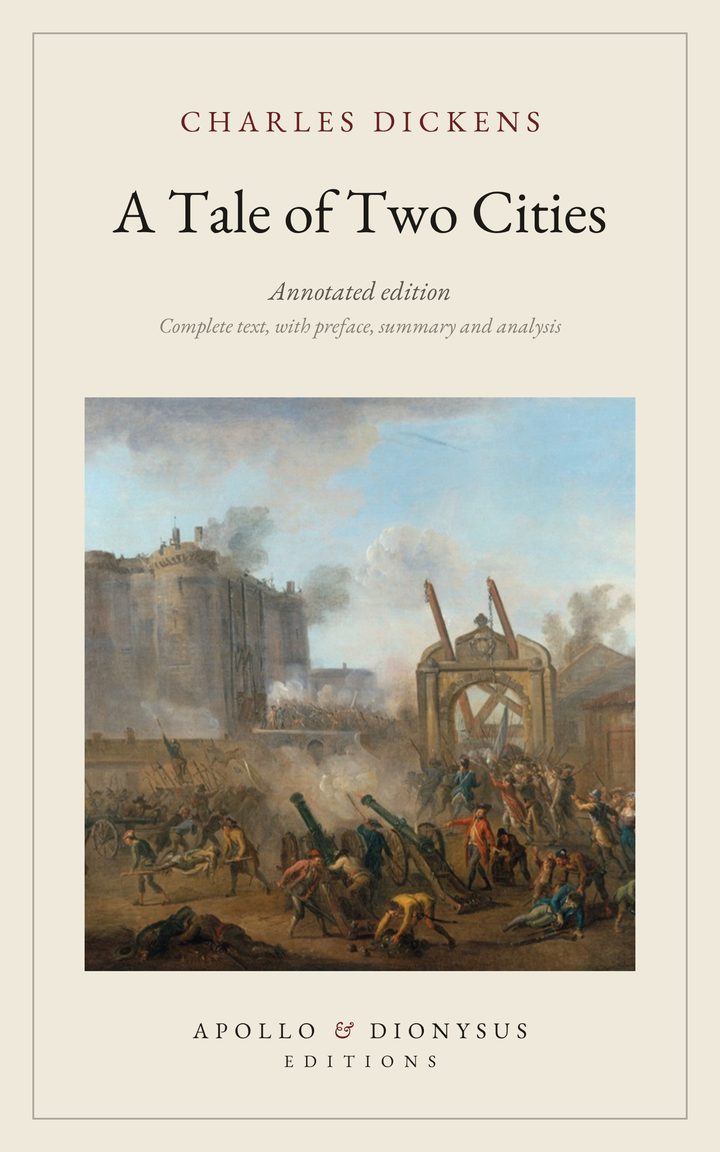
1859
A Tale of Two Cities
What does a man owe to the person he might have become?
-
1861
Serfdom abolished in Russia
More than twenty million peasants are freed, often without land. St Petersburg fills with the poor, penniless students and new theories: Raskolnikov’s world.
-
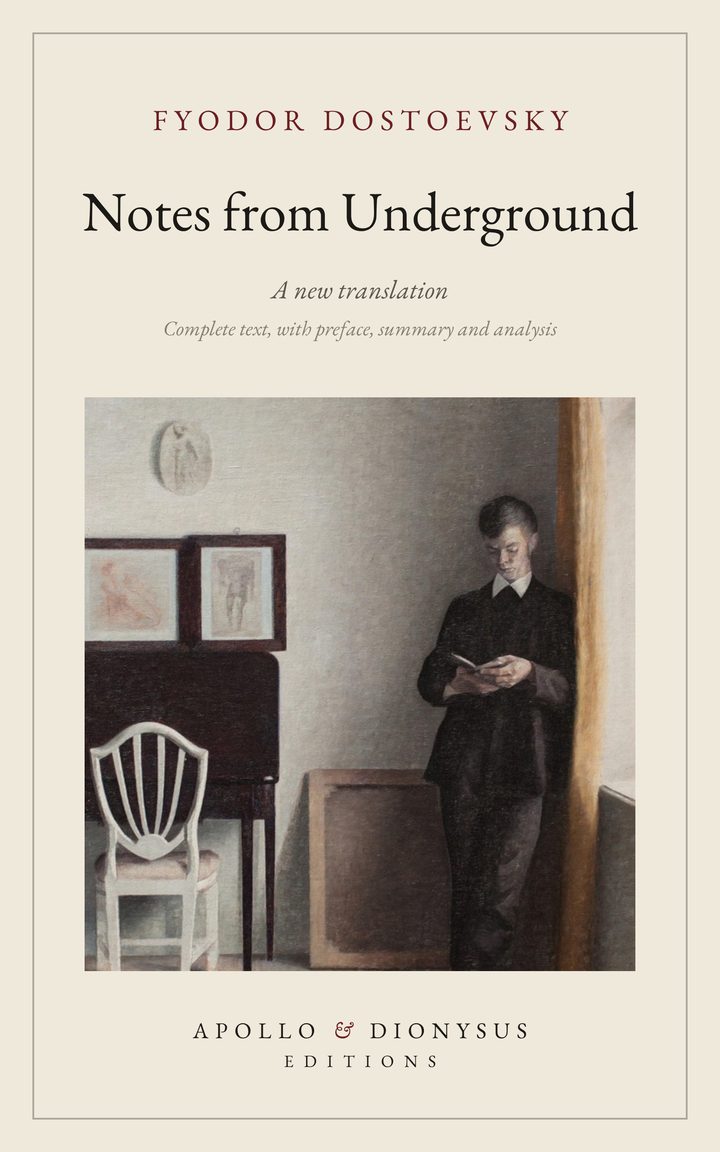
1864
Notes from Underground
What is left of a man’s freedom when he refuses even what would be reasonable for him?
-
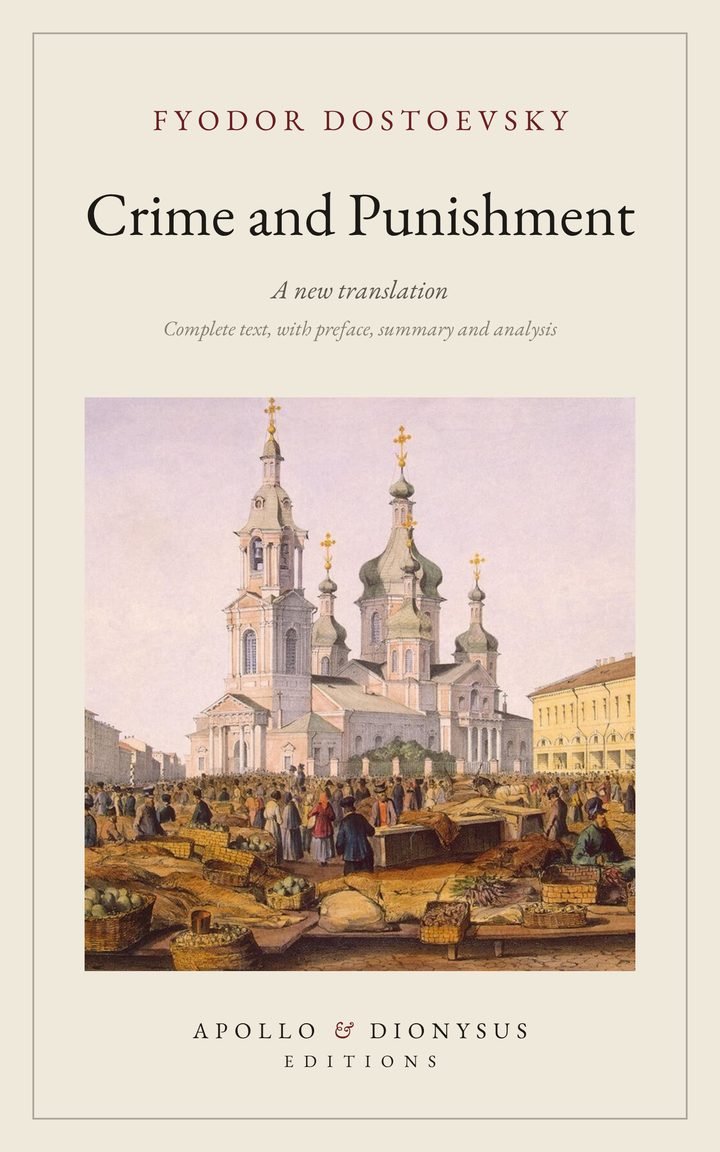
1866
Crime and Punishment
A poor student in St Petersburg kills to prove a theory, and cannot escape what follows.
-
1868
Little Women
What does it take to grow up without giving up who you are?
-
1870 – 1871
The Franco-Prussian War
Nietzsche volunteers as a medical orderly and comes back ill. The German victory, which he thinks fatal to culture, feeds his distrust of the new Empire.
-
1871–1872
The Possessed
What becomes of a society when its ideas break loose from everything that once held them in check?
-
1872
Around the World in Eighty Days
Can one win against time?
-
1872
Carmilla
What do we owe to those we love, when love itself may be a form of hunger?
-
1877
Anna Karenina
Can a life be built on a passion that the world condemns?
-
1879
Nietzsche leaves the university
Ill, he gives up his chair in Basel and begins a wandering life between Switzerland and Italy. The Gay Science is written in Genoa, under the southern sun: the book of a convalescent.
-
The Gay Science
Apollo & DionysusEditions
1882
The Gay Science
Nietzsche at his most luminous: aphorisms, songs, and the death of God.
-
1883
Treasure Island
How well can a boy judge the men he follows?
-
1883–1885
Thus Spoke Zarathustra
What remains of man when God is dead?
-
1886
Strange Case of Dr Jekyll and Mr Hyde
Can a respectable man and a monster live in the same body?
-
1886
Beyond Good and Evil
What if truth were not what we desire most?
-
1887
The Horla
What is left of a man when he can no longer trust his own senses?
-
1890
The Picture of Dorian Gray
What would you become if your face never recorded your choices?
-
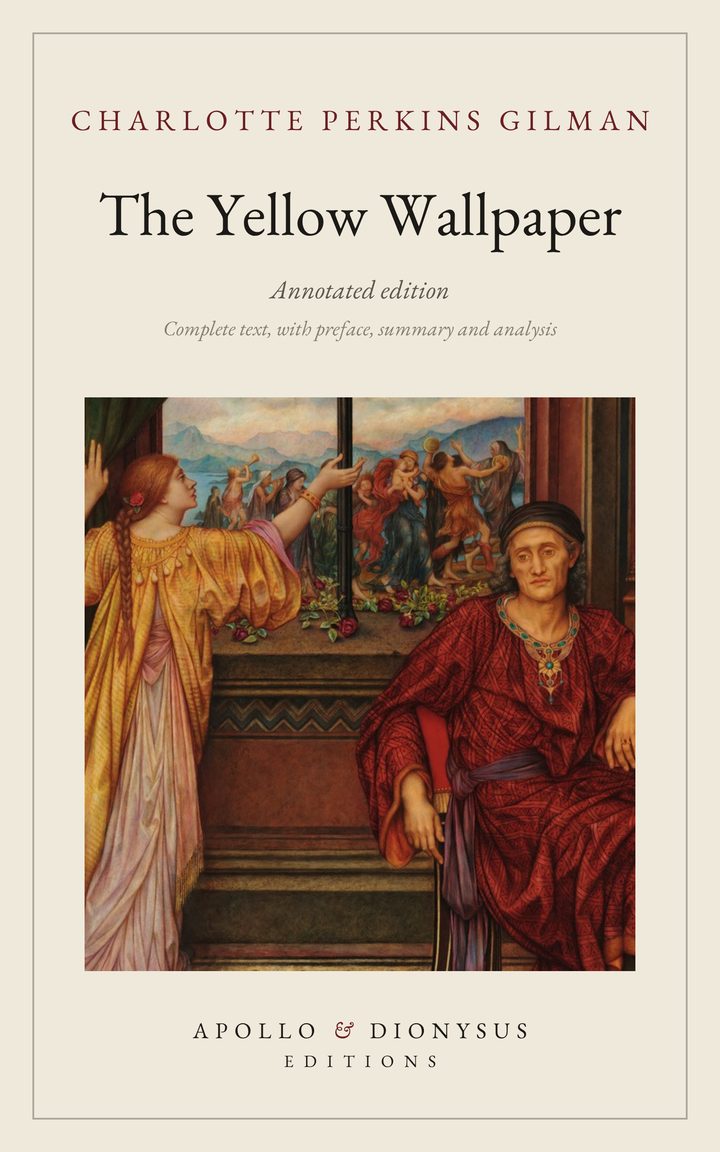
1892
The Yellow Wallpaper
Who decides what is wrong with a woman who feels unwell?
-
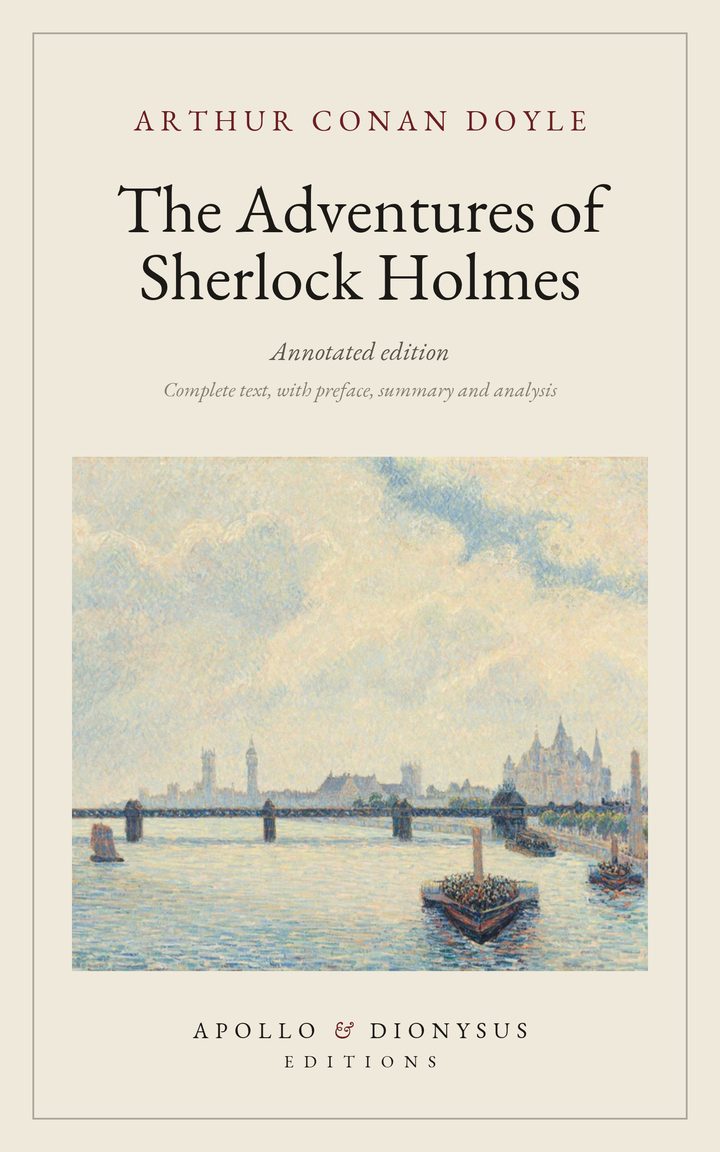
1892
The Adventures of Sherlock Holmes
How do you read a stranger’s life from a worn sleeve, a muddy boot, a clumsy lie?
-
1894 – 1906
The Dreyfus Affair
A Jewish captain is wrongly convicted of treason and France tears itself apart. The young Péguy takes Dreyfus’s side; L’Argent carries on that fight, against a modern world in which everything is measured in money.
-
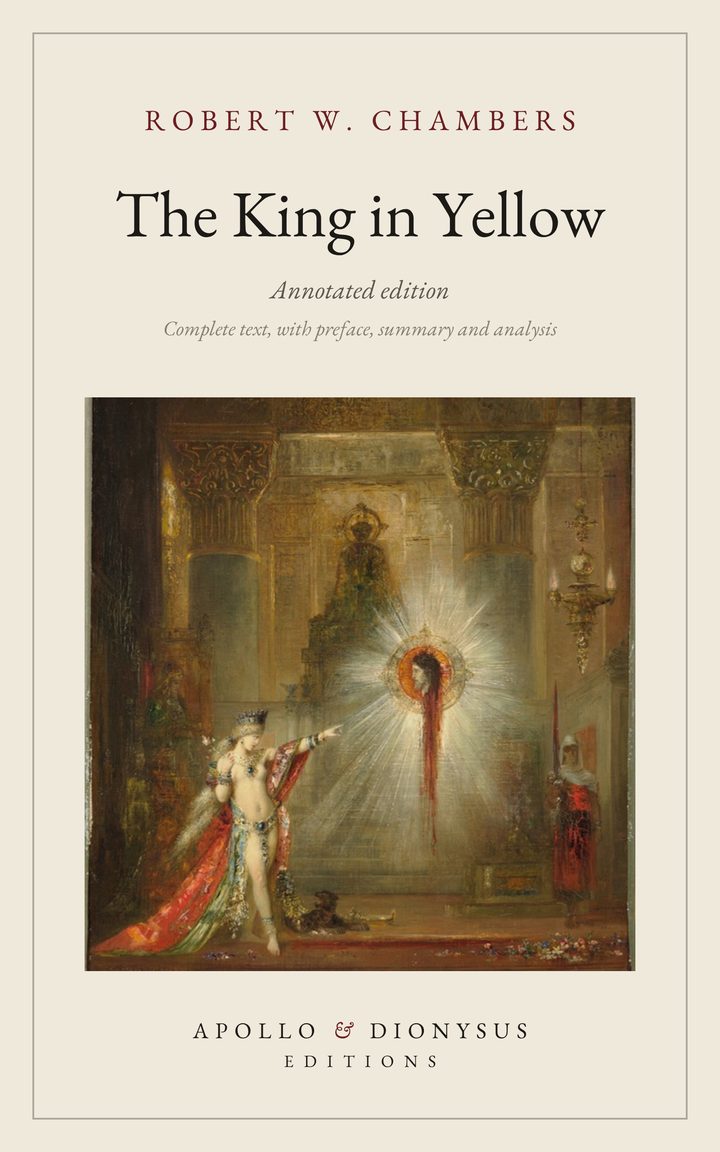
1895
The King in Yellow
What happens to a mind that meets a work of art it cannot forget?
-
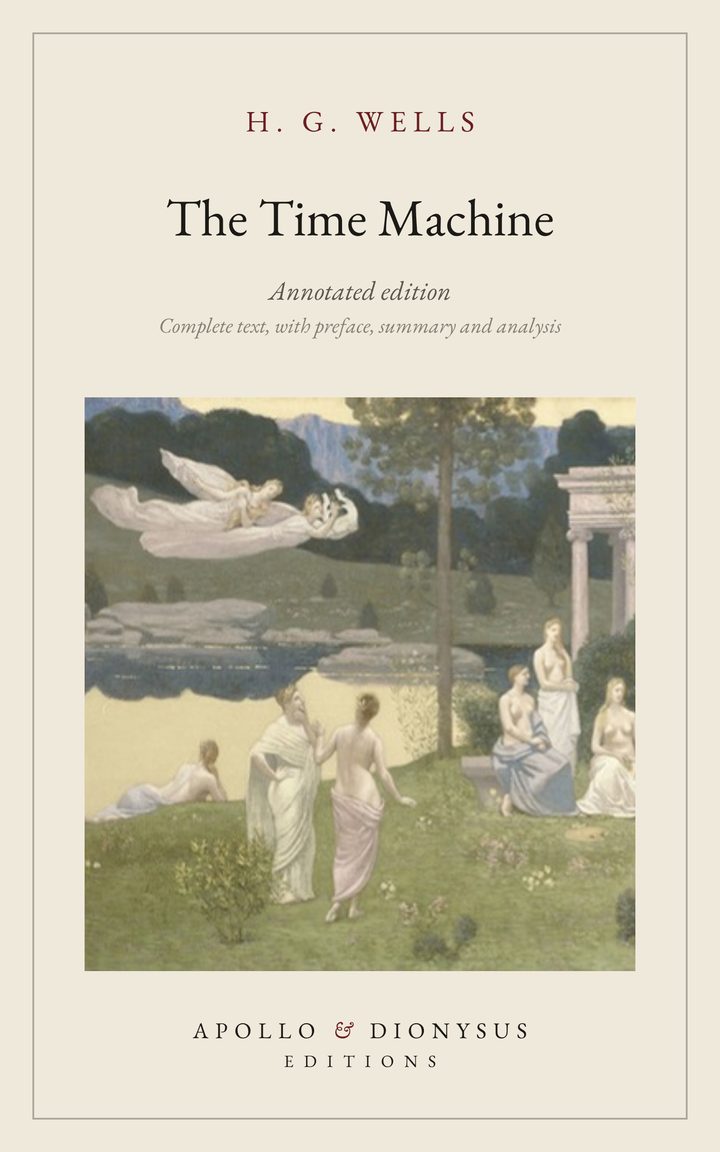
1895
The Time Machine
Where does a society lead itself when it divides its people by labour and comfort?
-
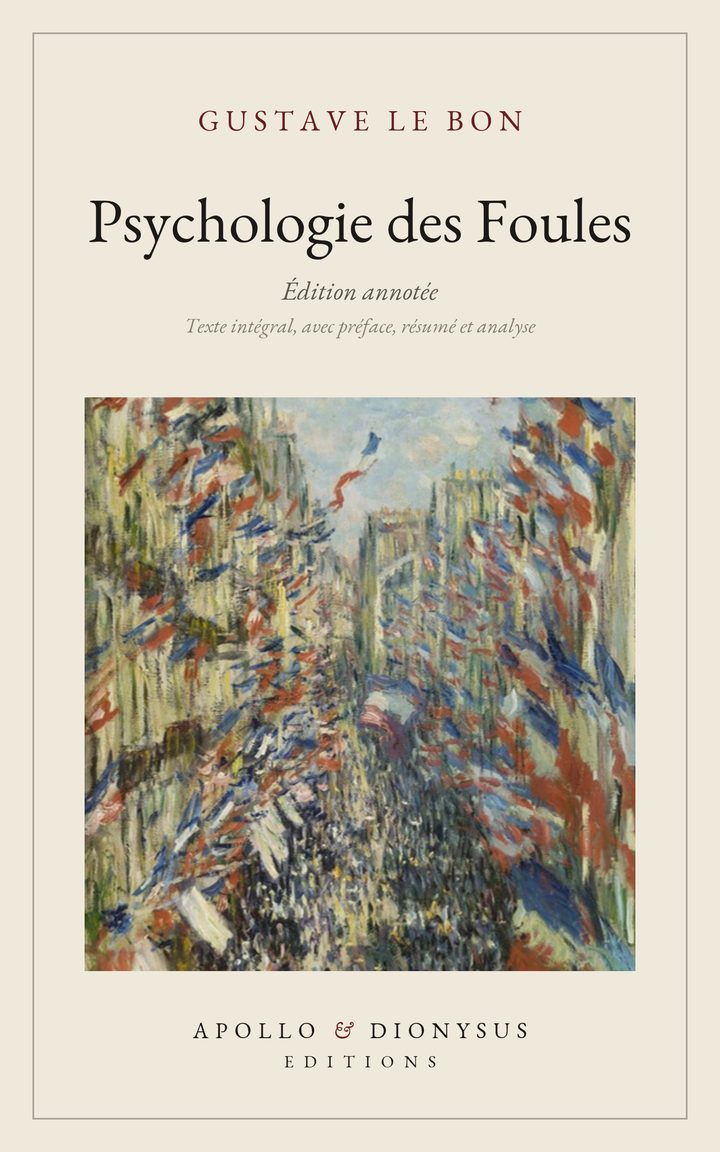
1895
The Psychology of Crowds
What becomes of a man when he melts into a crowd?
-
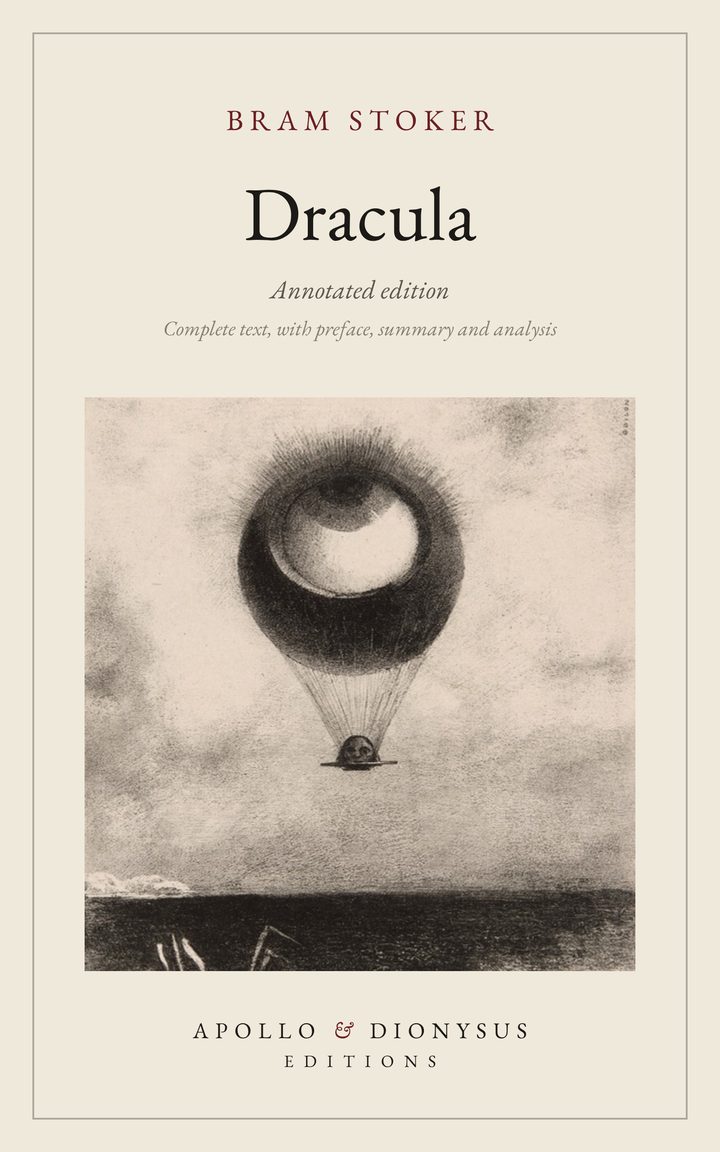
1897
Dracula
What does a society do with a fear it cannot name?
-
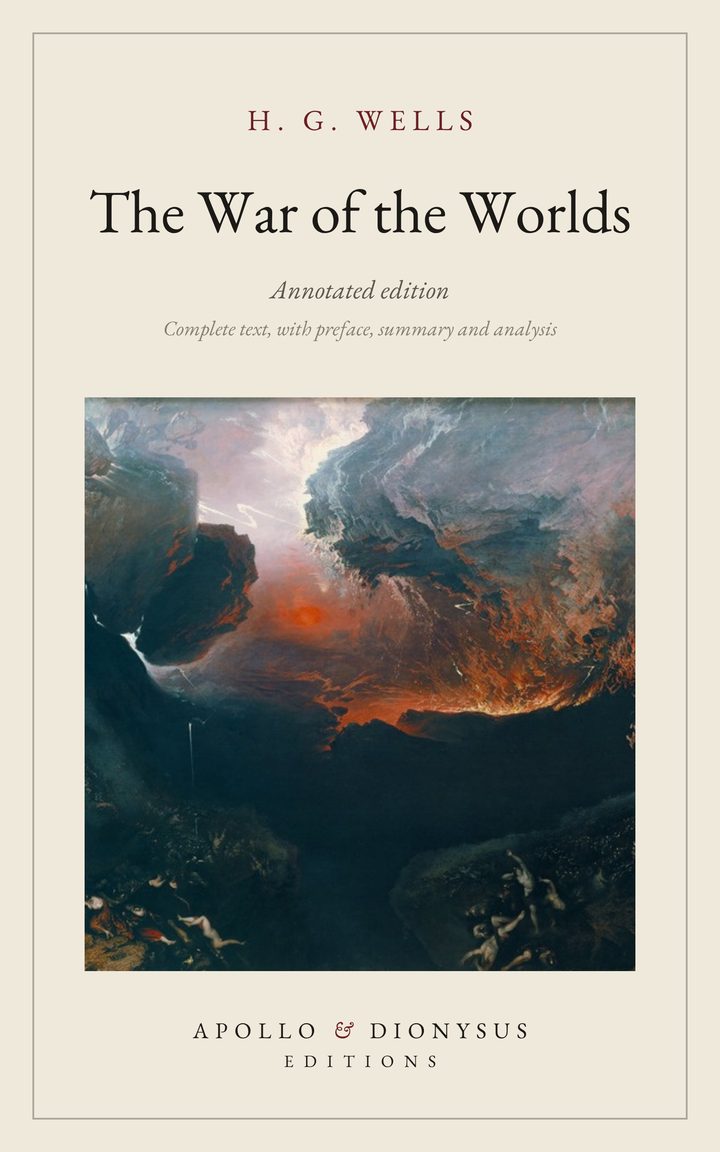
1898
The War of the Worlds
How would a confident civilization behave if it learned that it was not the master of the world?
-
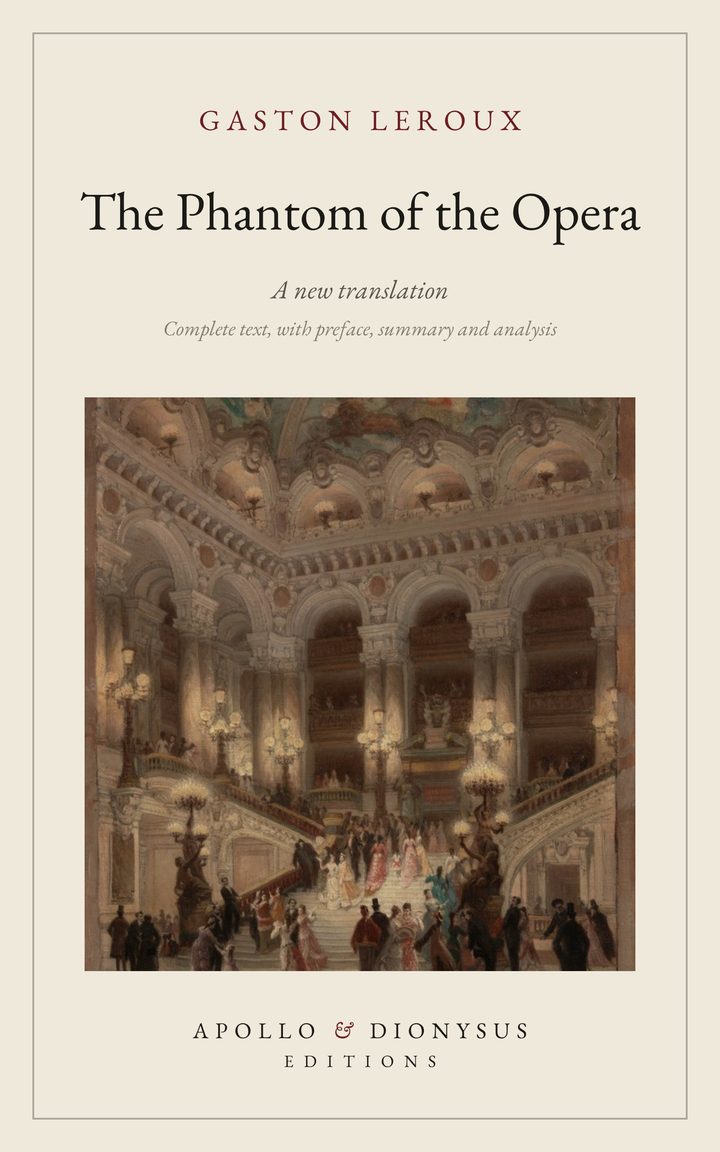
1910
The Phantom of the Opera
What can one love in a being one has never seen?
-
1911
Ethan Frome
What becomes of a man who never dares to choose his own life?
-
1913
L’Argent
Péguy against the modern world: money, the honour of work, and the school of his childhood.
-
1914
The First World War
An infantry lieutenant, Péguy is shot dead on 5 September, on the eve of the Battle of the Marne. L’Argent is one of his last books.
- Some 0 years later
Between the wars
1918 – 1939
-
1915
The Metamorphosis
What is left of a man when his own family no longer recognises him?
-
1925
The Great Gatsby
What does a man hope to recover when he tries to repeat the past?